Faculty of Law
February 11, 2022 2026-07-12 13:38Faculty of Law
-
Dean’s Welcome
-
About the Faculty
-
Regulatory Framework
-
Academic Programmes
-
Academic Staff
-
Partners
-
Research
-
Academic Schedule
-
Courtroom
-
Forensic Laboratory
Dean’s Welcome

Welcome to the Faculty of Law!
The Faculty of Law of David Aghmashenebeli University of Georgia is an important centre for the development of legal education and legal scholarship. Higher legal education at the University is based on centuries-old national traditions and the best practices of the global education system. The Faculty makes a significant contribution to the preparation of highly qualified professionals. This has been made possible by attracting leading specialists of the Georgian school of law, introducing modern teaching methods and maintaining a high standard of instruction.
The Faculty of Law offers all three levels of higher education—bachelor’s, master’s and doctoral programmes. Its academic programmes are supported by the appropriate human, material and technical resources and aim to prepare lawyers with in-depth knowledge, high qualifications and relevant competencies, ensuring their competitiveness in both domestic and international employment markets.
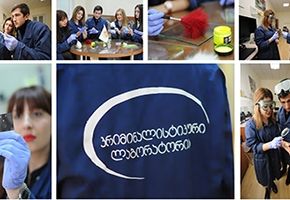
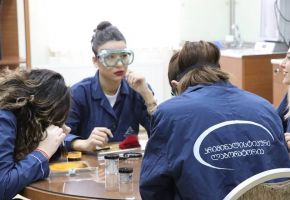
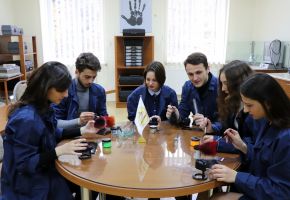
Alongside theoretical instruction, the Faculty of Law promotes the development of professional skills through practical components. To support this, the Faculty regularly organises mock proceedings that allow students to develop the practical skills of judges, advocates, prosecutors and legislators. Students can attend public lectures and participate in scientific conferences, discussions, debates, seminars and training. The University also operates a forensic laboratory equipped with modern technologies, where master’s students may complete an additional course in forensic science and receive a corresponding certificate.
In accordance with established practice, students of the Faculty of Law regularly undertake internships at ministries, courts, law firms and notarial offices. These placements allow them to deepen their practical knowledge and develop the skills necessary to become fully qualified lawyers. It is noteworthy that, after completing their internships, a significant number of students are employed by these institutions.
At the Faculty of Law of David Aghmashenebeli University of Georgia, students encounter a professional and supportive atmosphere, relationships based on respect and fairness, and a diverse and meaningful student life. With the support of experienced and qualified academic staff, every student has the opportunity to receive higher legal education that meets modern standards, develop the skills required of both practising lawyers and legal scholars, and master the legal profession.
Doctor of Law, Professor
Dean of the Faculty of Law
Gia Gogiberidze
About the Faculty
Raising legal awareness has always been regarded as highly important in Georgia. Given its special significance, the legal profession is among the professions regulated by the state.
The SDASU Faculty of Law is an important centre for the development of legal education and scholarship. Higher legal education at the University is based on centuries-old national traditions and the best practices of the global education system.
The Faculty of Law makes a significant contribution to the preparation of highly qualified professionals. This has been made possible through:
by attracting distinguished representatives of the Georgian school of law;
by introducing modern teaching methods;
by maintaining a high standard of instruction.
The SDASU Faculty of Law offers accredited bachelor’s, master’s and doctoral programmes supported by the appropriate human, material and technical resources.
The Law programmes aim to prepare bachelor’s, master’s and doctoral graduates with competencies aligned with European standards, ensuring their competitiveness in both domestic and international labour markets.
The SDASU Faculty of Law provides students with a professional and welcoming atmosphere and relationships based on respect and fairness. With the guidance of experienced and qualified professors, every student has the opportunity to receive higher legal education that meets modern standards, develop the skills required of both practising lawyers and legal scholars, and fully master the prestigious legal profession.
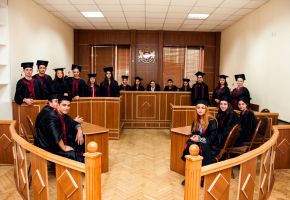
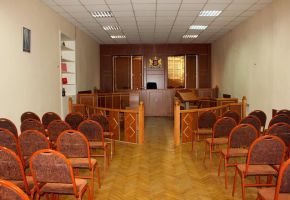
The Faculty of Law has a moot courtroom where students can participate in simulated proceedings in the roles of judge, advocate, prosecutor or legislator and develop the practical skills essential to the legal profession.
The Faculty of Law enables students to present well-founded critical observations and new initiatives on challenging legal issues before a broad student audience in a conference format and to participate in the work of the Faculty’s legal clinics. Students of the SDASU Faculty of Law undertake internships at ministries, courts and law firms, where they gain practical experience and develop into well-rounded legal professionals. It is noteworthy that, after completing their internships, a significant number of students are employed by these institutions.
Teaching at the Faculty of Law is student-centred and based on continuous assessment of academic performance. Students acquire the competencies essential to the legal profession, including the ability to apply legal knowledge effectively and uphold justice, human rights, and social and democratic values.
Regulatory Framework
Regulations of the Faculty of Law
Regulations of the Dissertation Council and Doctoral Studies
Academic Programmes
Academic Staff
Professors:
-
Gogiashvili Giorgi
-
Gogiberidze Gia
-
Goginava Sulkhan
-
Meurmishvili Besik
-
Moniava Polikarpe
-
Rogava Zviad
-
Sadradze Tamari
-
Chkareuli Tsiala
-
Kharazi Ia
-
Khvedelidze Manana
-
Khoperia Nino
Associate Professors:
-
Gagua Ilona
-
Gagua Nino
-
Gogniashvili Nino
- Kalandadze Nona
-
Sukhishvili Zaza
-
Kutateladze Mari
-
Kurdadze Shalva
-
Khobelia Davit
Assistant Professors:
-
Gogshelidze Zurab
Assistants:
-
Karchava Zurab
Partners
1. Ministry of Justice of GeorgiaMinistry of Justice of Georgia
2. Civic Education Lecturers Association
3. Max Planck Institute for Foreign and International Criminal law in Freiburg i.Br. Germany
4. Tallinn law School, Tallinn University of Technology
5. Training Center of Justice of Georgia
6. Chancellery of the Government of Georgia
8. Georgian National Academy of Sciences
11. Constitutional Court of Georgia
12. LEPL Notary Chamber of Georgia
13. NNLE Consortium of the Georgian Integrated Library Information Network, 2017
Research
Dissertations:
- Work by Mariam Ginturi, doctoral student in the Law programme of the Faculty of Law – “Application of Foreign Legal Norms in the Distribution of an Estate’’ Regarding Dissertation.
- Work by Mariam Mamuladze, doctoral student in the Law programme of the Faculty of Law – ,,The Minor’s Right to Protection in Civil Proceedings” Regarding Dissertation.
- Work by Nana Rostomashvili, doctoral student in the Law programme of the Faculty of Law – ,,The Problem of Applying Compulsory Enforcement Measures in Civil Enforcement Proceedings’’ Regarding Dissertation.
- Dissertation by Nano Vacharidze, doctoral student in the Law programme of the Faculty of Law – ,,Work by Khatuna Skhirtladze, doctoral student in the Law programme of the Faculty of Law IძულებISთვIS” Regarding Dissertation.
- “The Problem of Applying Interim Measures in Civil Proceedings.” Dissertation.
- Faculty of LawS SამათლIS Sადოქტორო პროგრამIS დოქტორანტ: ხვIჩა ბეგIაშვIლIS SადISერტაცIო ნაშრომIS – ,,პროკურორIS მIერ SახელმწIფო ბრალდებIS განხორცIელებაზე უარIS თქმა and მISI SამართლებრIვI შედეგებI” Regarding Dissertation
- Work by Salome Megeneishvili, doctoral student in the Law programme of the Faculty of Law — “Adaptation of a Contract to Circumstances Changed by the Pandemic
to Changed Circumstances Caused by the Pandemic” Dissertation - Diversion and Mediation in Criminal Law — Mari Kutateladze (Abstract)
- SDASU-S აSISტენტ-ProfessorS -ნIნო გაგუაS, მIმდIნარე SამეცნIერო Research გერმანIაშI ზაარლანდIS უნIვერSIტეტშI – Marion Dönhoff -IS Sაგრანტო კონკურSIS ფარგლებშI Research: “The Insurer’s Fault in the Occurrence of an Insured Event: A Comparative Legal Analysis under Georgian and German Insurance Law”
Academic Schedule
Spring Semester of the 2025–2026 Academic Year
2025–2026 Academic Year Spring Semester Midterm Examination Schedule
Bachelor’s Programme in Law — Midterm Examination Schedule
2025–2026 Academic Year Spring Semester Midterm Make-up Examination Schedule
Bachelor’s Programme in Law — შუალედურI გამოცდებIS აღდგენIS ცხრIლI
2025–2026 Academic Year Spring Semester Final Examination Schedule
Bachelor’s Programme in Law — Final Examination Schedule
2025–2026 Academic Year Spring Semester Final Make-up Examination Schedule
Bachelor’s Programme in Law — Final Make-up Examination Schedule
Courtroom
Since 2012, David Aghmashenebeli University of Georgia has operated a moot courtroom. Bachelor’s students can prepare simulated trials in criminal procedure and procedural skills, while master’s students can develop practical skills. The moot courtroom is equipped with the technical facilities required for court proceedings, enabling students to conduct simulated trials in full compliance with procedural rules and established court practice.
Forensic Laboratory
For more than two years, a forensic laboratory has operated at the Faculty of Law of David Aghmashenebeli University of Georgia. Its technical and software infrastructure fully complies with international standards. With the support of qualified specialists, students can thoroughly study key aspects of forensic technology and tactics, as well as the investigation and detection of various types of crime. These include the discovery, collection, recording and examination of traces and other evidence; the conduct of investigative procedures; and the specific methods used to investigate crimes against life, property and other offences. As part of the forensic science course, law students gain practical experience alongside theoretical knowledge, helping them develop essential professional skills. In addition to student training, the laboratory also provides professional development for practitioners, enabling them to improve their qualifications and receive a certificate confirming completion of the training.